Hair loss is a common concern among men and women in Nairobi, affecting confidence, professional presence, and self-image. With advancements in hair restoration techniques such as FUE (Follicular Unit Extraction) and FUT (Follicular Unit Transplantation), hair transplants have become a reliable and long-term solution.
However, one of the most frequently asked questions remains:
How much does a hair transplant cost in Nairobi?
The answer depends on several factors, including the clinic, technique used, number of grafts required, and the complexity of your hair loss. This guide breaks down the cost of hair transplant procedures in Nairobi, what influences pricing, and how to choose a clinic that delivers value and safety.
Average Cost of Hair Transplant in Nairobi
In Nairobi, hair transplant costs typically range between: KSh 120,000 to KSh 450,000. The variation depends primarily on:
- The number of grafts required
- The technique used (FUE vs FUT)
- Clinic reputation and expertise
- Equipment and technology used
- Surgeon’s experience
- Aftercare services included
Some smaller procedures for mild hairline recession may cost less, while extensive crown or full-scalp restoration may fall at the higher end of the range.
1. Extent and Pattern of Hair Loss
The severity of your hair loss is one of the biggest cost determinants. Patients with early-stage hairline recession, small thinning areas or localised crown loss typically require fewer grafts. However, individuals with advanced male pattern baldness, extensive crown and frontal thinning and diffuse thinning across the scalp may require significantly more grafts and possibly multiple sessions. The more grafts required, the longer the procedure and the higher the cost.
2. Number of Grafts Required
Hair transplant pricing in Nairobi is often calculated per graft. The number of grafts depends on:
- Desired density
- Donor area strength
- Hair thickness
- Hair texture (coarse hair may provide better coverage with fewer grafts)
3. Technique Used (FUE vs FUT and Variations)
Different transplant methods carry different cost implications.
FUE (Follicular Unit Extraction)
FUE is more labour-intensive and requires precision extraction of individual follicles. It generally costs more because:
- It takes longer to perform
- It requires specialised tools
- It leaves minimal visible scarring
- Recovery time is usually shorter
FUT (Follicular Unit Transplantation)
FUT may be slightly more affordable but involves removing a strip of scalp, which can leave a linear scar. It can sometimes allow harvesting of a larger number of grafts in a single session. Some clinics also use enhanced or micro FUE techniques, which may influence pricing further.
4. Surgeon and Medical Team Experience
The level of the medic’s experience significantly impacts cost. Highly trained and experienced professionals:
- Handle grafts more delicately
- Achieve higher graft survival rates
- Design more natural-looking hairlines
- Reduce risk of complications
Clinics with proven track records, strong patient testimonials, and documented before-and-after results may charge more due to expertise and demand.
5. Technology and Equipment Used
Advanced clinics invest in:
- Micro-motor extraction systems
- Precision implantation devices
- Advanced graft preservation solutions
- Sterile surgical suites
- High-quality magnification tools
Better equipment improves:
- Graft survival
- Procedure precision
- Overall aesthetic outcome
Technology upgrades require significant investment, which may influence cost.
6. Duration of the Procedure
Hair transplants can take anywhere from 4 to 10 hours, depending on graft count.
Longer procedures require:
- More medical staff
- Extended surgical time
- Additional graft handling resources
The longer and more complex the procedure, the higher the cost.
7. Additional Treatments Before or After Surgery
High-end clinics in Nairobi, such as Este Medical Kenya, often charge at the mid-to-upper range of the market due to:
- PRP therapy before transplant to strengthen follicles
- Medical treatment for stabilising hair loss
- Scalp health programmes
- Nutritional or hormonal evaluations
These additional steps improve success rates but may increase total cost.
8. Geographic Location Within Nairobi
Clinic location can also influence cost. Facilities in prime commercial areas may have:
- Higher operational costs
- Premium infrastructure
- Advanced equipment
These overhead costs may reflect in overall pricing.
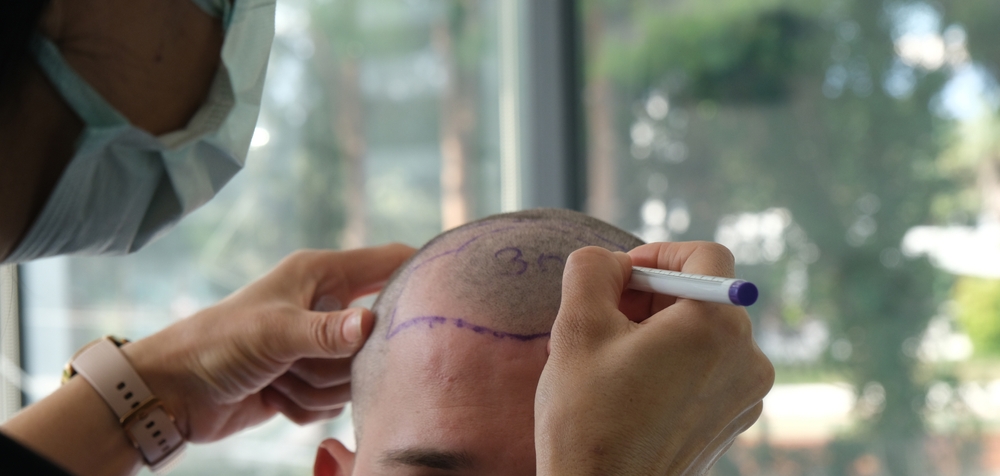
Patients are not just paying for grafts, but are investing in precision, safety, and long-term results.
In some cases, doctors may recommend:
- Advanced FUE systems
- Skilled and trained professionals
- Personalised hairline design
- Proper graft preservation techniques
- Structured follow-up programs
Why Premium Clinics Cost More
Are Hair Transplants Permanent?
Yes. Transplanted hair follicles are typically resistant to the hormone responsible for pattern baldness. Once successfully implanted and healed, they continue to grow naturally. However, surrounding native hair may still thin over time. Some patients may require maintenance treatments such as PRP or medical therapy.
Additional Costs to Consider
When budgeting for a hair transplant in Nairobi, consider:
- Consultation fees (if not waived)
- Pre-procedure lab tests
- Medication costs
- Time off work during recovery
- Follow-up treatments
How to Get an Accurate Cost Estimate
The most reliable way to determine cost is through a professional consultation. During your consultation, the clinic should:
- Assess your hair loss pattern
- Examine donor area density
- Estimate graft count
- Recommend technique
- Provide a written cost breakdown
Why Many Patients Choose Este Medical Kenya
While several clinics offer hair transplants in Nairobi, many patients prefer Este Medical Kenya because of:
- Advanced hair restoration technology
- Skilled professionals experienced in modern techniques
- Transparent graft estimation
- Natural hairline design
- Structured aftercare and growth monitoring
Although pricing may reflect premium quality, patients benefit from high graft survival rates and natural-looking, long-lasting results.
Frequently Asked Questions (FAQs)
1. How much does a hair transplant cost in Nairobi?
Most procedures range between Ksh 120,000 and Ksh 450,000, depending on graft count and clinic expertise.
2. Is FUE more expensive than FUT?
Yes, FUE is typically more expensive due to precision tools and longer procedure time. It also has more success rates.
3. How many grafts do I need?
This depends on your level of hair loss and desired density. A consultation is required for accurate estimation.
4. Can I get a cheap hair transplant and still have good results?
Possibly, but lower cost often comes with increased risk. Experience and technique matter significantly.
5. How long does it take to see results?
Initial growth begins around 3–4 months. Full results are visible within 9–12 months.
6. Are results permanent?
Yes, transplanted hair is typically permanent, though ongoing hair thinning may require maintenance.
Invest in Quality Hair Restoration
The cost of hair transplant in Nairobi varies depending on technique, graft count, and clinic expertise. While prices may differ, what truly matters is safety, precision, and natural results. Choosing an experienced and reputable clinic ensures that your investment delivers long-term confidence and satisfaction.
If you are considering hair restoration, book a consultation at Este Medical Kenya to receive a professional assessment, accurate graft estimation, and a personalized treatment plan designed to restore your hair safely and effectively. You can also visit the clinic at The Piano Building in Westlands, Nairobi, engage our hair loss experts and learn how we can help change your life with affordable hair transplant treatment.