Your skin is your body’s largest organ, and it plays a big role in your appearance and confidence. But when uneven skin tone, dark patches, or discolouration appear, many people start to feel self-conscious. This affects their confidence and self-esteem and may also interfere with their interactions and day-to-day life. Skin pigmentation problems are one of the top reasons patients visit dermatology clinics in Nairobi, where sun exposure, hormonal changes, and lifestyle factors are common.
If you’re struggling with pigmentation, the good news is that there are safe and effective treatments available and a reputable centre for skin pigmentation treatments, which is Este Medical Kenya. This guide explores the causes of pigmentation, treatment options in Nairobi, and what kind of results you can realistically expect.
What is Skin pigmentation?
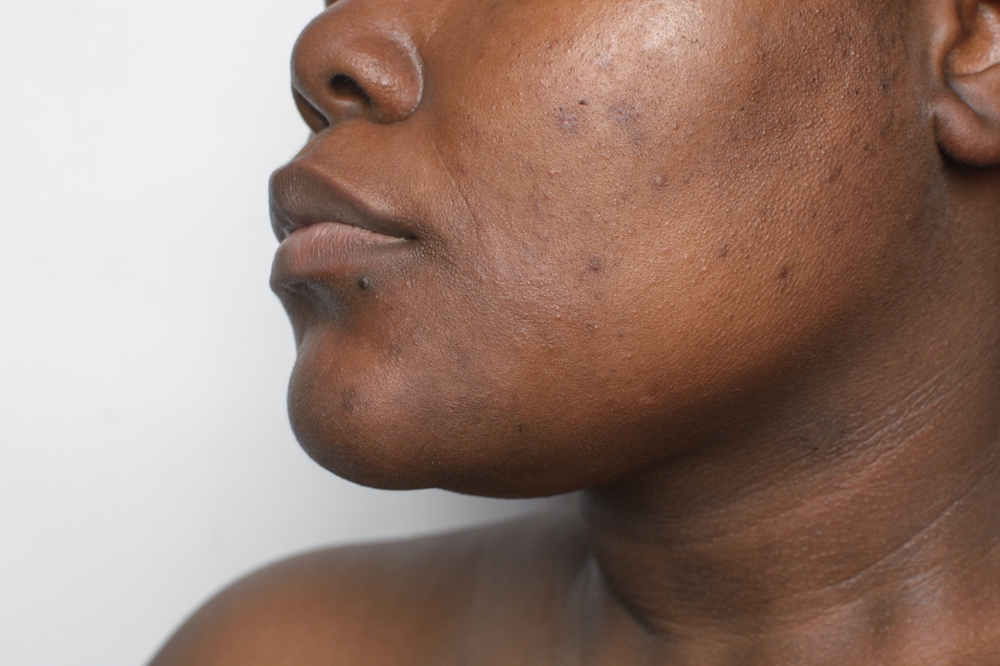
Skin pigmentation refers to changes in skin colour caused by an increase or decrease in melanin, the natural pigment that gives our skin its shade. When melanin production becomes uneven, it leads to spots, patches, or overall discolouration.
Pigmentation can occur on the face, neck, arms, or any part of the body exposed to sunlight or affected by internal changes. It affects both men and women, although certain conditions—like melasma—are more common in women. This is due to certain factors such as hormonal fluctuations and lifestyle changes, which are prevalent among women.
Common causes of skin pigmentation
Several factors contribute to pigmentation issues in Nairobi. Some of the most common include:
- Sun exposure - UV rays trigger melanin production, leading to sunspots and dark patches. Nairobi’s year-round sun makes sunscreen essential.
- Hormonal changes - Pregnancy, birth control pills, and hormonal imbalances can cause melasma (often called the “mask of pregnancy”).
- Acne scarring - Dark marks that remain after pimples heal are known as post-inflammatory hyperpigmentation.
- Genetics - Some people are naturally prone to uneven skin tone.
- Ageing - As we get older, age spots and freckles become more visible.
- Skin injuries - Cuts, burns, or harsh cosmetic treatments can sometimes leave lasting discolouration.
What to expect during pigmentation treatment
1. Initial consultation
The first step is always a professional consultation. A dermatologist will examine your skin, ask about your medical history, and determine the underlying cause of your pigmentation. This step is critical because the treatment depends on whether the pigmentation is superficial (on the surface) or deep (within skin layers).
2. Treatment plan
Based on the diagnosis, the dermatologist will recommend a personalised plan. This may include in-clinic treatments, at-home skincare, or a combination of both. Patience is key—pigmentation often requires multiple sessions and consistent care for best results.
3. During the procedure
Treatments like chemical peels, laser sessions, or microneedling are typically quick and performed under safe conditions. Protective eyewear may be used if lasers are involved. Most procedures take less than an hour, with minimal discomfort.
4. Recovery and aftercare
Mild redness or peeling may follow some treatments, but downtime is usually minimal. Aftercare includes avoiding direct sun, using high SPF sunscreen daily, and applying prescribed creams or serums.
5. Results timeline
- After 1–2 sessions - Brighter, fresher skin tone.
- After 4–6 sessions - Noticeable fading of dark spots.
- After 3–6 months - Even skin tone and long-lasting results (with proper care).
Treatment options in Nairobi
Este Medical Kenya, as one of the top dermatology clinics in Nairobi, offers a wide range of pigmentation treatments. Some of the most common include:
1. Topical treatments
Prescription creams with ingredients like hydroquinone, retinoids, kojic acid, or vitamin C help lighten pigmentation gradually. These are often combined with in-clinic treatments for faster results.
2. Chemical peels
A safe chemical solution is applied to the skin to exfoliate dead cells and encourage new skin growth. Mild to medium-strength peels are commonly used for pigmentation and can show visible results after a few sessions.
3. Laser treatments
Laser therapy targets and breaks down excess melanin. In Nairobi, dermatologists use advanced laser machines such as Q-switched or Nd:YAG lasers, which are safe for darker African skin tones. Multiple sessions may be required.
4. Microneedling
Microneedling stimulates collagen production and improves skin texture. When combined with serums or platelet-rich plasma (PRP), it can significantly reduce pigmentation and scarring.
5. Lifestyle Adjustments
Our dermatologists often recommend sunscreen, hats, and antioxidant-rich diets to maintain results and prevent new pigmentation.
Frequently Asked Questions
Does pigmentation treatment hurt?
Most treatments are well-tolerated. Chemical peels may cause mild tingling, while lasers can feel like tiny snaps on the skin. Any discomfort is temporary and usually minimal.
Is pigmentation treatment safe for African skin?
Yes. Dermatologists in Nairobi use equipment and methods specifically suited for darker skin tones, minimising the risk of scarring or worsening pigmentation.
How long do results last?
With proper aftercare and sun protection, results can last for years. However, hormonal changes or sun exposure may trigger new pigmentation, so maintenance treatments may be needed.
How many sessions will I need?
This depends on the type and depth of pigmentation. Mild cases may improve in 2–3 sessions, while deeper pigmentation may require 6 or more.
Our Take
Skin pigmentation can be frustrating, but it’s also highly treatable with the right approach. In Nairobi, you’ll find advanced dermatology clinics offering safe, effective, and tailored treatments for every skin type. Este Medical Kenya is your number one option for all skin pigmentation problems for people in Nairobi and its environs. Visit us at The Piano Building, along Brookside Drive in Westlands, Nairobi, for a chance to rejuvenate your normal skin pigmentation. Our specialists are well-trained and have years of experience in handling skin pigmentation. You can also get in touch with our clinic for enquiries or book your appointment with us.